Your brakes rarely fail without giving you clues first. The problem is that many drivers wait for the familiar high-pitched squeal before taking action. By then, a relatively simple brake pad replacement may have become a more expensive repair involving rotors, calipers, or other components.
For drivers in Hillsdale, Jonesville, Camden, Reading, Montgomery, Litchfield, and nearby communities, catching brake trouble early is especially important. Michigan’s winter salt, spring potholes, rolling roads, and stop-and-go driving can all increase stress on your vehicle’s braking system.
The good news is that you do not need to be a technician to spot several early warning signs. Think of your brakes like the tires on a pair of hiking boots: you can often see the wear and feel the loss of traction before the sole completely gives out.
Why Early Brake Repairs Matter
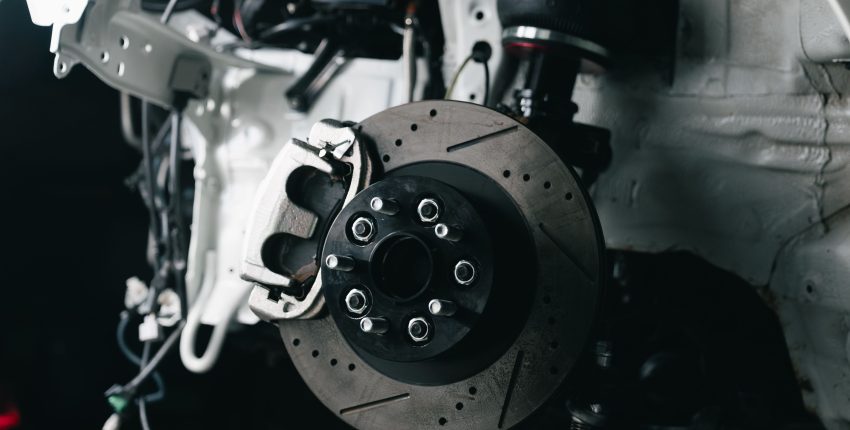
Every time you press the brake pedal, brake pads squeeze against spinning rotors to create friction. That friction converts your vehicle’s motion into heat, allowing you to slow down and stop.
Over time, the friction material on the pads wears thinner. Rotors can develop grooves or uneven surfaces, while calipers and hardware may become stiff or corroded. If you ignore the early symptoms, the system may not stop your vehicle as quickly or smoothly as it should.
Early brake service can help protect your stopping ability, prevent additional damage, and keep a small repair from becoming a major one.
5 Signs Your Brakes Need Attention Before the Squeal
1. The Brake Pedal Feels Different
One of the earliest signs of a brake problem is a change in pedal feel. Pay attention if the pedal:
- Feels softer or spongier than usual
- Sinks farther toward the floor
- Requires more pressure to stop the vehicle
- Pulses or pushes back against your foot
A soft pedal may be related to low brake fluid, air in the hydraulic system, a leak, or worn components. A pedal that feels unusually hard can point to a different issue involving the brake booster or vacuum system.
Brake fluid is what transfers pressure from your foot to the brakes at each wheel. If the fluid level is low, do not simply top it off and forget about it. Low fluid can be caused by worn pads, a leak, or another problem that needs to be identified.
If the pedal suddenly drops, feels extremely soft, or approaches the floor, avoid driving and arrange professional assistance.
2. Your Vehicle Takes Longer to Stop
Drivers often adjust gradually to reduced braking performance. You may begin pressing the pedal a little earlier or leaving more space at stop signs without realizing that your stopping distance has changed.
Longer stopping distances can result from worn or glazed brake pads, contaminated brake fluid, overheated components, or problems with the tires and suspension. Even a small change matters when a child runs into the street, traffic stops suddenly, or a deer crosses a dark country road.
Do not test your stopping distance aggressively on a public road. Instead, notice how the vehicle responds during normal, safe driving. If it no longer stops with the same confidence and pedal pressure, schedule a brake inspection.
3. The Car Pulls Left or Right While Braking
Does your car tug toward one side when you slow down? That can be a sign that the brakes are applying unevenly.
A sticking caliper, restricted brake hose, uneven pad wear, or a problem with the suspension can cause one wheel to provide more braking force than the other. A pulling vehicle can be difficult to control during an emergency stop, particularly on wet pavement or loose gravel.
Pulling is not always a brake problem. Tire pressure and alignment can also affect how a vehicle tracks. A professional inspection can separate the causes instead of guessing.
If the vehicle also drifts during normal driving, shows uneven tire wear, or has an off-center steering wheel, ask about a wheel alignment service and a steering and suspension check.
4. You Notice Vibration or Pulsation
A shaking steering wheel or pulsing brake pedal is another sign that your braking system deserves attention. It may indicate that the rotor surface is uneven, the rotors have overheated, or another wheel-end component is not operating correctly.
Michigan potholes and rough roads can also affect steering and suspension parts. That is why a complete inspection should look beyond the brake pads. At Parney’s Car Care, the team can evaluate related components and use diagnostic equipment to help identify the actual source of the concern.
Vibration under braking is not something to simply get used to. It can worsen over time and may affect control, tire wear, and braking consistency.
5. You Smell Something Hot After Driving
A sharp, acrid, or burning smell near one wheel can mean a brake is overheating. This may happen when a caliper sticks, a brake pad remains pressed against the rotor, or the brakes become excessively hot during repeated stops.
Hilly routes around Hillsdale County can place extra demand on the braking system. Avoid riding the brakes downhill. Instead, reduce speed before the descent and, when appropriate for your vehicle, use a lower gear to help control speed.
If you notice smoke, pull over safely and let the vehicle cool. Never pour cold water on hot brakes, because a rapid temperature change can damage metal components. A persistent hot smell should be checked by a qualified technician before you continue driving normally.
What About Brake Noise?
A brief squeak after rain, a car wash, or a cold Michigan morning may come from moisture or light surface rust. It often disappears after a few normal stops.
That is different from a recurring squeal every time you brake. Many brake pads use a small metal wear indicator that creates a squealing sound when the friction material is nearly worn out. This is a warning to schedule service, not an invitation to turn up the radio.
Grinding or scraping is more serious. It can mean the friction material is gone and the pad’s metal backing is contacting the rotor. Continued driving may damage the rotor quickly and reduce braking performance.
Grinding, a brake warning light, fluid leakage, or a major change in pedal feel calls for prompt professional inspection.
A Simple Driveway Brake Check
You should leave brake repairs to trained professionals, but a few basic observations can help you catch trouble early.
Listen
Notice when the sound occurs:
- Only during the first few stops after rain?
- Every time you brake?
- Only while turning?
- Even when you are not touching the pedal?
- Does it sound like squealing, clicking, scraping, or grinding?
The pattern can help a technician narrow down the cause.
Look
With the vehicle parked safely, look through the wheel openings if the design allows. You may be able to see whether the brake pad appears very thin or whether the rotor has deep grooves, heavy rust, or dark blue heat marks.
Do not place your hands near recently driven brakes. Components can remain extremely hot.
Also look for wetness near the inside of a wheel or beneath the vehicle. Brake fluid leakage requires immediate attention.
Feel
During normal driving, notice whether the car pulls, shudders, or takes longer to stop. Never perform a hard braking test in traffic or at speed. If something feels wrong, have it inspected rather than trying to diagnose it through repeated stops.
Why Michigan Weather Makes Professional Maintenance Important
Road salt and winter moisture can accelerate corrosion around brake hardware, caliper slide pins, and other exposed components. Spring potholes can add stress to wheels, steering parts, and suspension components. Summer towing, heavy loads, and frequent trips on hilly roads can create additional heat.
That makes professional car maintenance more than an annual formality for local drivers. A brake check during routine service, tire rotation, or an oil change can reveal wear before the problem becomes urgent. Parney’s complimentary inspections at the quick lube are a convenient opportunity to keep an eye on overall vehicle condition, while more detailed concerns can be evaluated through the shop’s full auto repair services.
How Parney’s Car Care Helps
If you have searched for brake repair near me, Parney’s Car Care provides brake inspections, pad and rotor replacements, and related repair services for foreign and domestic vehicles.
The team combines the latest diagnostic equipment with more than 80 years of experience among its staff. Recommendations are explained clearly, pricing is transparent, and the goal is to repair what your vehicle needs without unnecessary upselling.
Whether you are commuting through Hillsdale, heading toward Jonesville, Camden, Reading, Montgomery, or Litchfield, dependable brakes help you handle everyday traffic and unexpected hazards with greater confidence. Parney’s also offers related steering, suspension, tire, diagnostic, and maintenance services when those systems are contributing to the problem.
Do Not Wait for the Squeal
Squealing is only one brake warning sign: and it is not always the first one. A soft pedal, longer stopping distance, pulling, vibration, burning smell, fluid leak, or dashboard warning can all tell you that your vehicle needs attention.
If you notice any of these symptoms, contact Parney’s Car Care for honest advice and a professional inspection. Visit the contact page or book service before a small brake concern turns into a safety issue or a larger repair.